
TFT LCD DISPLAY TECHNOLOGY
Custom TFT LCD Displays for OEM Applications
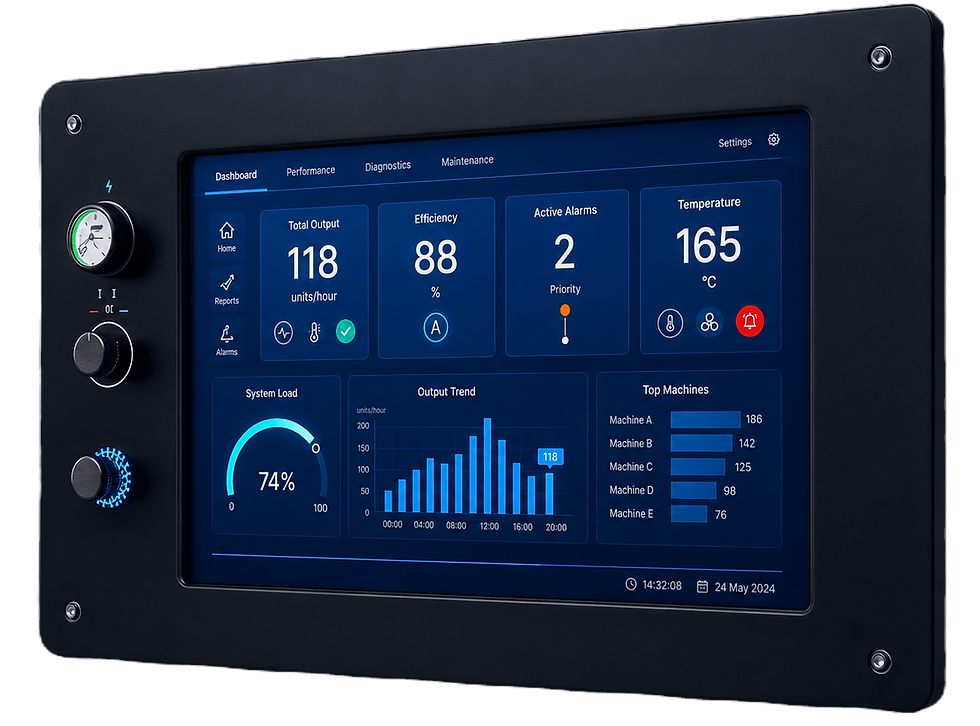
BOE-VX provides custom and semi-custom TFT LCD display solutions for OEM applications across industrial, automotive, EV charging, medical equipment, smart appliances and specialist embedded products. Display options can be reviewed around size, resolution, brightness, interface, operating environment, touch, cover glass, optical bonding and mechanical integration.
What is a TFT LCD Display?
A TFT LCD display uses thin-film transistor technology to control individual pixels across the screen. It is commonly reviewed for products that need clear graphical information, practical integration and a balanced display technology route.
TFT LCD technology can support a wide range of product interfaces, from industrial HMIs and vehicle displays to EV chargers, medical equipment, appliances and specialist embedded devices. The right TFT LCD approach depends on the application, operating environment and project requirements.
How a TFT LCD Pixel Works

A Thin Film Transistor (TFT) controls each individual pixel by applying a precise electrical voltage to the liquid crystal layer.
This changes the orientation of the liquid crystal molecules, regulating how much light from the backlight passes through the colour filter to produce the final image.
Where TFT LCD Displays May Be Used
TFT LCD technology may be reviewed across a wide range of display applications depending on the product requirements, operating environment and commercial goals.

Industrial HMIs
Display and touch interfaces for control panels, machinery, instruments and embedded equipment.
.png)
Automotive Interfaces
Vehicle display applications, control panels and specialist mobility interfaces subject to project review.
.png)
EV Charging Displays
Display screens for charger instructions, status information and user interaction.
.png)
Medical Equipment
Display modules for healthcare equipment interfaces, subject to technical and regulatory review.
.png)
Smart Appliances
Display and interface options for connected appliances, kitchen products and white goods.
.png)
Specialist Embedded Devices
Application-specific products requiring display integration, mechanical review and commercial discussion.
Key Benefits of TFT Display Technology
TFT LCD technology offers a versatile platform for high-quality visual interfaces across industrial, medical, automotive and appliance applications, where clarity, responsiveness and long-term availability are important.
_edited.jpg)
Wide Range of Sizes & Resolutions
High-Brightness & Sunlight Readability
Fast Response for Dynamic Content
Mature, Proven Supply Chain
Flexible Interface & System Integration
Touch, Cover Glass & Optical Bonding
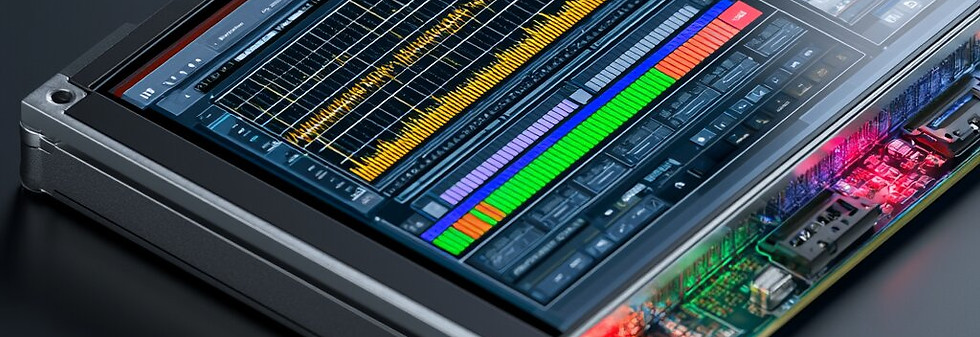
TFT LCD Project Requirements to Review
Display Size and Resolution
The active area, resolution and aspect ratio should support the product interface and mechanical design.

Cover Glass and Bonding
Cover glass and optical bonding can help support usability, readability and product integration depending on design requirements.

Brightness and Viewing Conditions
Brightness, contrast, viewing angle and reflection control should be reviewed against the intended use environment.

Interface and Electrical Design
Display interface, connector position and system requirements should be reviewed early in the project.

Touch Requirements
Touch method, user workflow, gloves, cleaning and enclosure design may influence the final display stack.

Lifecycle and Commercial Fit
Production volume, lifecycle expectations and commercial targets can influence the most suitable TFT LCD route.
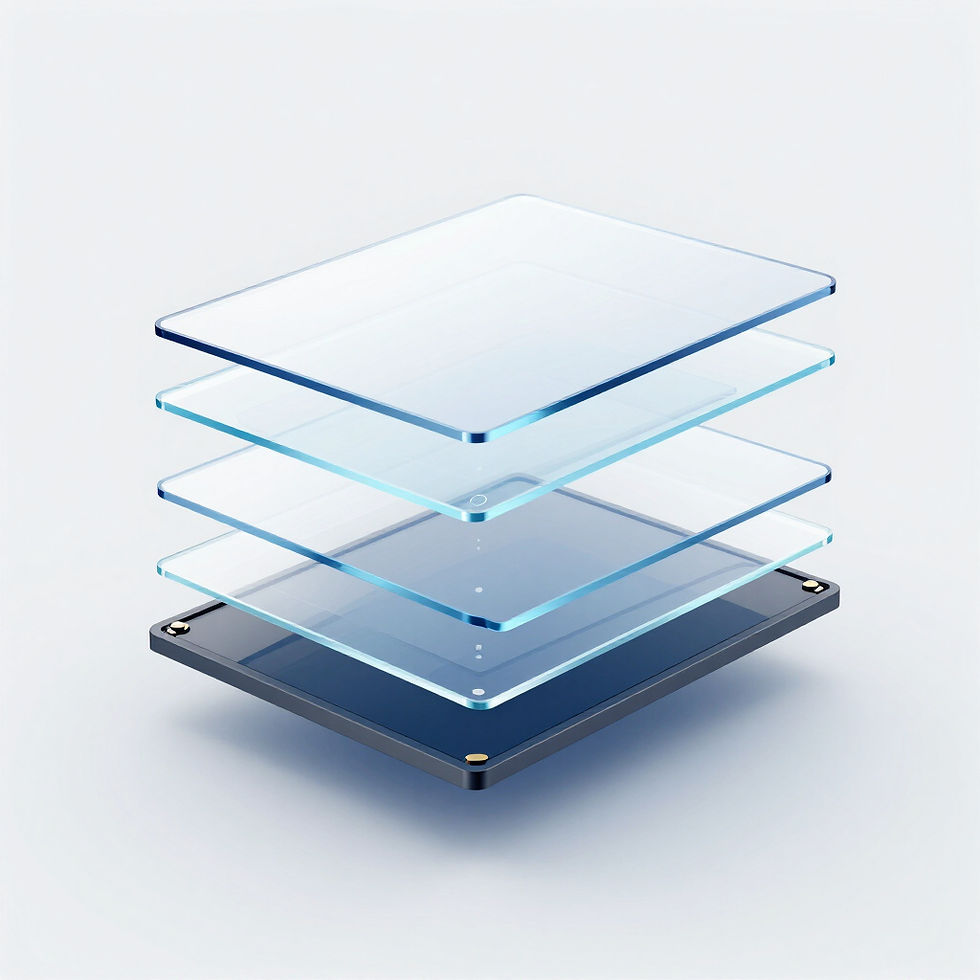
TFT LCD Integration with Touch, Cover Glass and Bonding
For many projects, the display module is only one part of the final interface. Touch integration, cover glass, optical bonding, enclosure design and mechanical fit can all influence the final product experience.
Touch options can be reviewed against user workflow and environment
Cover glass can support product appearance and mechanical protection goals
Optical bonding can help support readability and display stack integration
Mechanical and electrical requirements should be reviewed early
TFT LCD Display FAQs
Which applications may be suitable for TFT LCD displays?
TFT LCD displays may be reviewed for industrial, automotive, EV charging, medical, appliance and specialist embedded applications, depending on the product requirements and environment.
Can BOE-VX support custom TFT LCD display modules?
BOE-VX can review custom or semi-custom TFT LCD display options subject to project requirements, volumes and technical feasibility.
How do I know if TFT LCD is the right technology?
The most appropriate display route depends on factors such as interface design, environment, mechanical constraints and commercial targets. BOE-VX can help review whether TFT LCD may be suitable.
Can TFT LCD displays be combined with touch and cover glass?
Many TFT LCD display projects can include touch, cover glass and optical bonding, depending on the application, enclosure and user workflow.
What information is helpful to share for a TFT LCD enquiry?
Details such as display size, resolution, interface, environment, touch needs, mechanical constraints and target volumes can help BOE-VX review suitable options.
Discuss a TFT LCD Display Project
Share your project requirements, interface goals and operating environment so BOE-VX can help review suitable TFT LCD display options.