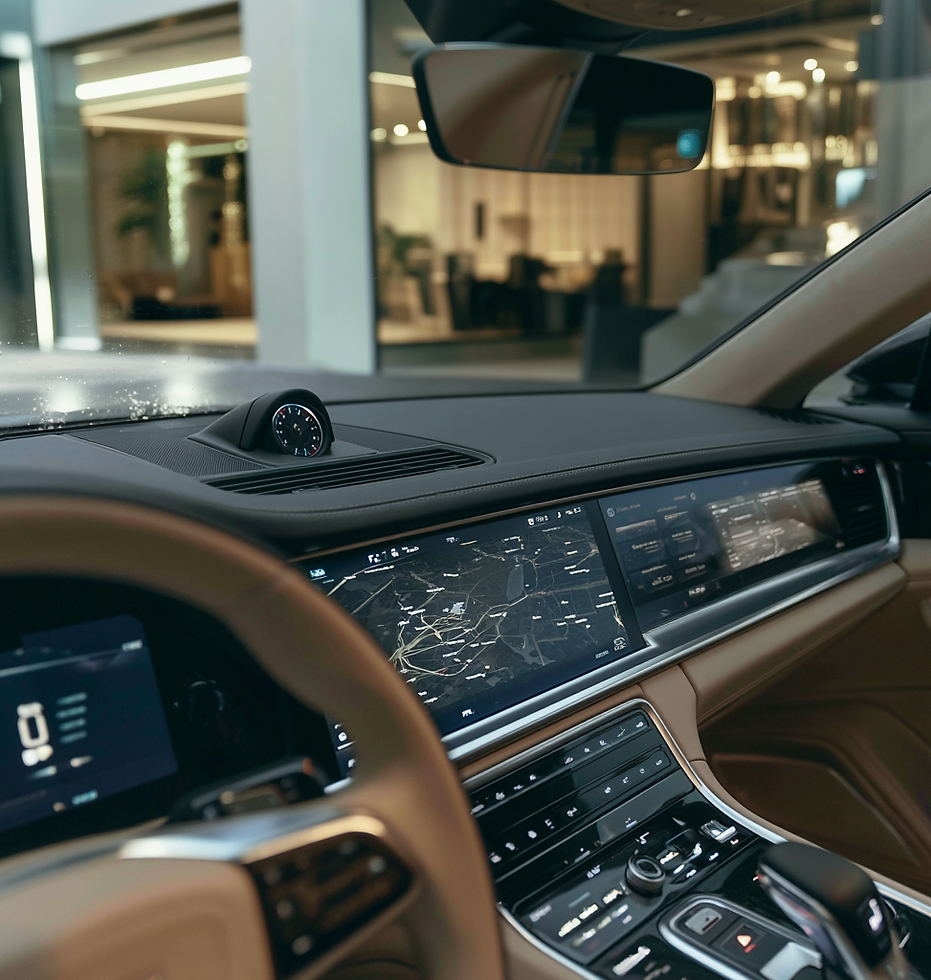
Display Technology for
Automotive Display Solutions
Automotive displays often need to balance visual performance, interface design, mechanical integration, optical requirements and long-term project planning. BOE-VX can support early display discussions for vehicle interiors, control interfaces and specialist mobility applications.
Application Areas
.png)
.png)
Instrument and Status Displays
Display options for driver information, indicators and vehicle status, with brightness and viewing angle considerations.
Centre Console &
Control Displays
Touch display technologies for centre consoles and control panels, including cover glass and optical bonding options.
.png)
Climate and Secondary Controls
Compact display and touch solutions for climate controls and auxiliary vehicle systems.
.png)
.png)
Specialist Vehicle Interfaces
Display solutions for commercial, off-highway and specialist vehicles, considering vibration and operating temperature.
Passenger and Rear Seat Displays
Display technologies for passenger information and entertainment, with brightness and viewing angle considerations.
.png)
Advanced Interior Concepts
Display technologies supporting premium cabin concepts, mechanical integration and next-generation interfaces.

Technical Requirements
Key factors to review when selecting and integrating display technology into vehicle environments.
The following parameters represent critical automotive display specifications to be reviewed during OEM project discussions. These requirements ensure alignment between technology selection and the final vehicle operating environment.
Brightness and Visibility
Brightness, contrast, viewing angle and reflection control should be reviewed against the vehicle environment and user expectations.
Touch and User Interaction
Touch function, cover glass, control layout and user behaviour can influence the final display experience.
Mechanical Integration
Display size, module thickness, mounting method, enclosure design and connector position should be considered early.
DISPLAY TECHNOLOGIES
Sector Technologies

TFT LCD displays are widely used for instrument displays, centre consoles and vehicle interfaces where brightness, integration and lifecycle are important.
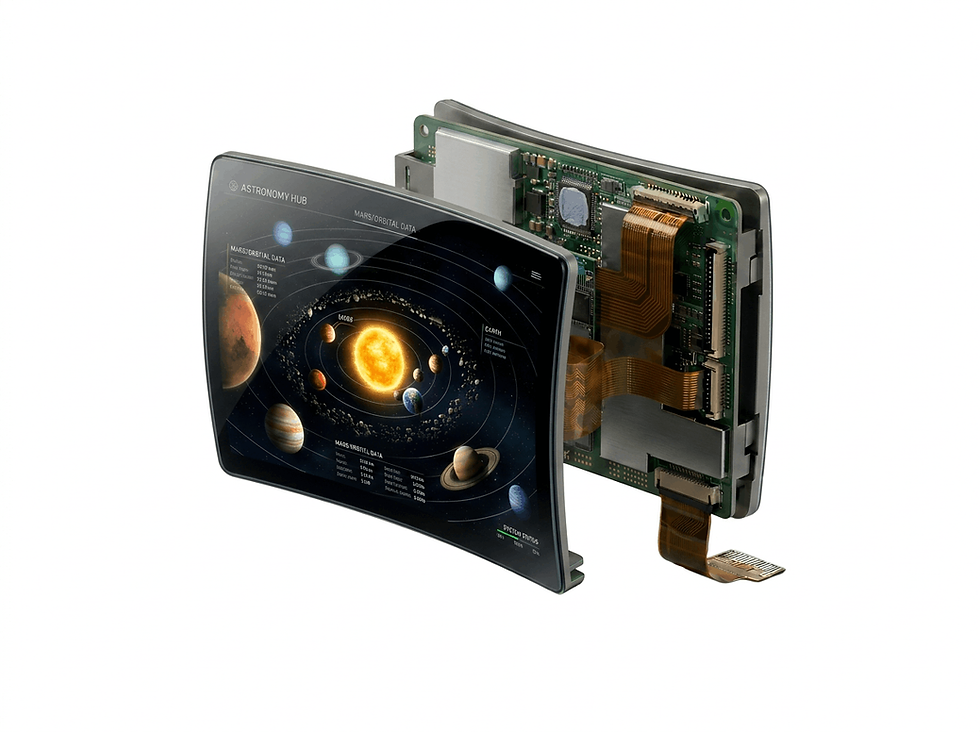
May be reviewed for selected premium interfaces where high contrast and compact design are important.

Can be reviewed where enhanced visual performance or premium interface appearance is required.

May support enhanced colour presentation depending on display architecture and project requirements.

Touch, Cover Glass and Optical Bonding
Can help support usability, protection and readability depending on the final product design.
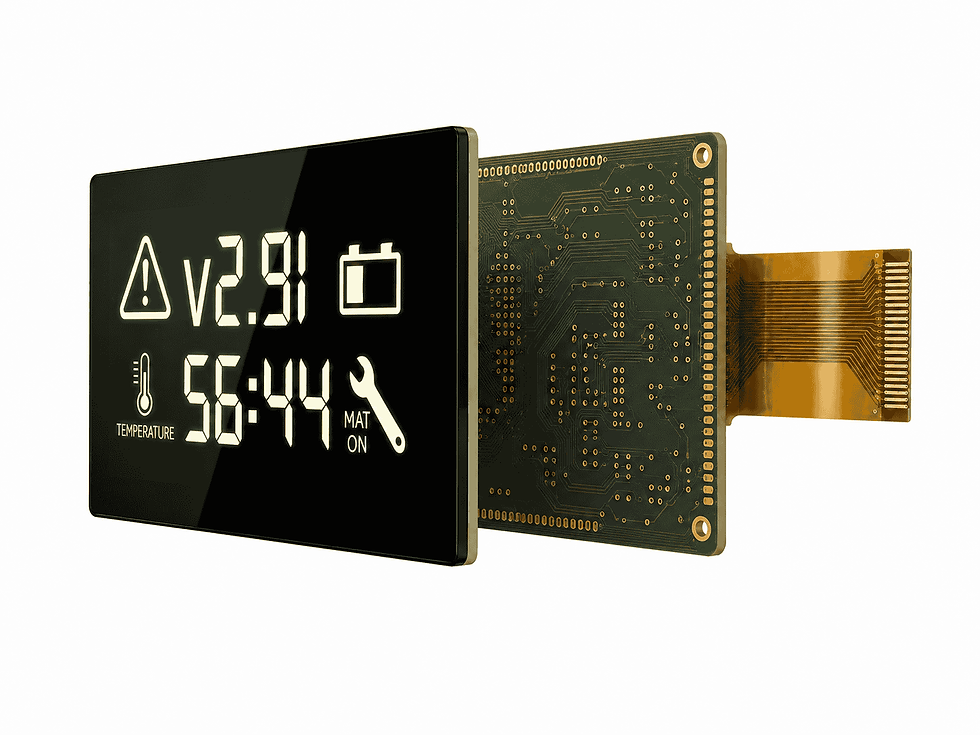
May support selected secondary controls, symbols, indicators or simple status display areas.

Frequently Asked Questions
Can BOE-VX support automotive display projects?
Yes. BOE-VX supports automotive and specialist vehicle display discussions, subject to project requirements and technical review.
Which display technologies may be suitable for automotive applications?
TFT LCD, OLED, Mini-LED, Quantum Dot, IBN / passive, touch, cover glass and optical bonding may be reviewed depending on the application.
Can BOE-VX help with automotive touch and cover glass?
Yes. BOE-VX can support discussions around touch, cover glass and bonding options depending on the mechanical and optical requirements.